Take a paw or nose print that's sharp enough to wear
An engraved paw or nose print is only as good as the print it starts from, and it can only be taken before cremation. Most dogs die by euthanasia (83.0%[1] in one US study), so many families have a quiet moment to do it.
- A print method matched to your pet's size and fur
- Tips for crisp nose prints and fluffy paws
- What jewelry engravers need from you
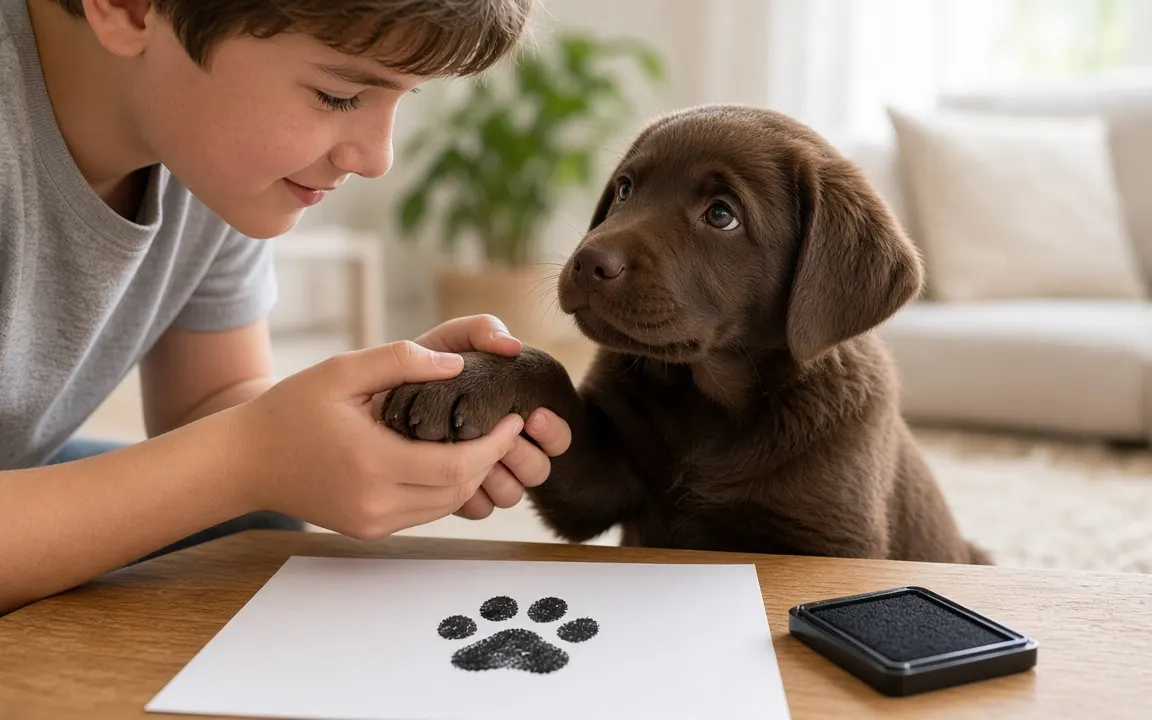
Paw print keepsake chooser
Answer three quick questions and we'll suggest the print method most likely to work for your pet.
Best fit
Clay impression
A soft clay disc you press the paw into, then air-dry or bake. Captures pads and texture in 3D. Clay is simple, forgiving and gives a lovely 3D keepsake for display.
How to get a good print
- Warm and knead the clay first so it's soft.
- Press the paw straight down with gentle, even pressure on each toe, then lift straight up.
- Take a couple of practice presses; clay can be re-rolled.
Also works: Full 3D cast (moulding gel). An alginate-style gel captures the whole paw, including toes and fur outline, for a sculpture-like keepsake.
If you'd rather not do this yourself, your vet or crematorium can usually take a print for you before cremation.
Timing matters
Why prints for jewelry need to be taken early
Ashes can go into jewelry months or years later. Prints can't. Once your pet has been cremated, the only paw or nose print you'll ever have is one taken beforehand, or a clear photo. That's why this tool is most useful while your pet is still with you, or in the hours before collection.
The window can be short. In one US survey, the most common answer about how long a pet should stay at the vet hospital after death was under a day (26.1% want <24h[2]). Most dogs die by planned euthanasia, 83.0%[1] in the Dog Aging Project's study of US dog deaths, so there is usually a moment to take a print if you know to ask. If your goodbye is planned at the clinic, ask the team whether they can take an ink or clay print, or bring your own kit.
Using the chooser
How to use the paw print keepsake chooser
- Pick your pet's size. A cat's paw and a Great Dane's need different approaches.
- Choose fur length. Long fur between the toes blurs ink prints and gets caught in clay.
- Say what you want the print for. Choose jewelry if you plan to engrave it; the chooser then favors methods that give clean, high-contrast lines.
- Follow the method and tips. You'll get the recommended method plus practical tips for getting a usable result.
If you're making a print for display as well, it's worth doing two: a clay impression to keep, and an ink print on white card for the engraver.
How the methods compare
Ink, clay, plaster or 3D cast: which suits engraved jewelry
| Method | Suits | For engraving |
|---|---|---|
| Ink or ink-free wipe on card | Most cats and dogs, noses | Good: flat, high-contrast lines engravers can trace |
| Air-dry or bake clay | Small to medium pets | Fair: needs a well-lit photo to convert |
| Plaster impression | Large dogs | Fair: deep print, photograph it with side light |
| 3D cast | Any size, display piece | Poor for flat engraving, lovely to keep |
| Clear photo of paw pads or nose | Any pet, including after a sudden loss | Sometimes usable; ask the engraver |
Engravers work from a flat, black-on-white image, so ink is usually the most direct route. If you'd rather the crematory does it, by our estimate their paw-print add-ons have a median price of ~$32[4], from $10 to $76, so a home kit is more about control and timing than saving money. Clay and plaster capture depth, which looks beautiful on a shelf but has to be photographed and cleaned up before engraving. Our guide to approving engraving explains what a good proof looks like.
A worked example
Worked example: a long-haired cat and a nose print pendant
Say you have a long-haired cat and want a nose print on a silver pendant. Choose small, long or fluffy, and jewelry, and the chooser puts an inkless wipe kit first, with an ink print on card as the backup. Both give the flat image an engraver needs; clay would be a poor fit anyway, because fur around the nose and toes pushes into it and blurs the edges.
- Gently wipe the nose dry with a soft cloth, then dab it on the ink pad or wipe.
- Press white card lightly against the nose for a second; don't slide.
- Take three or four attempts and choose the clearest.
- Photograph the chosen print flat, in daylight, and keep the original card.
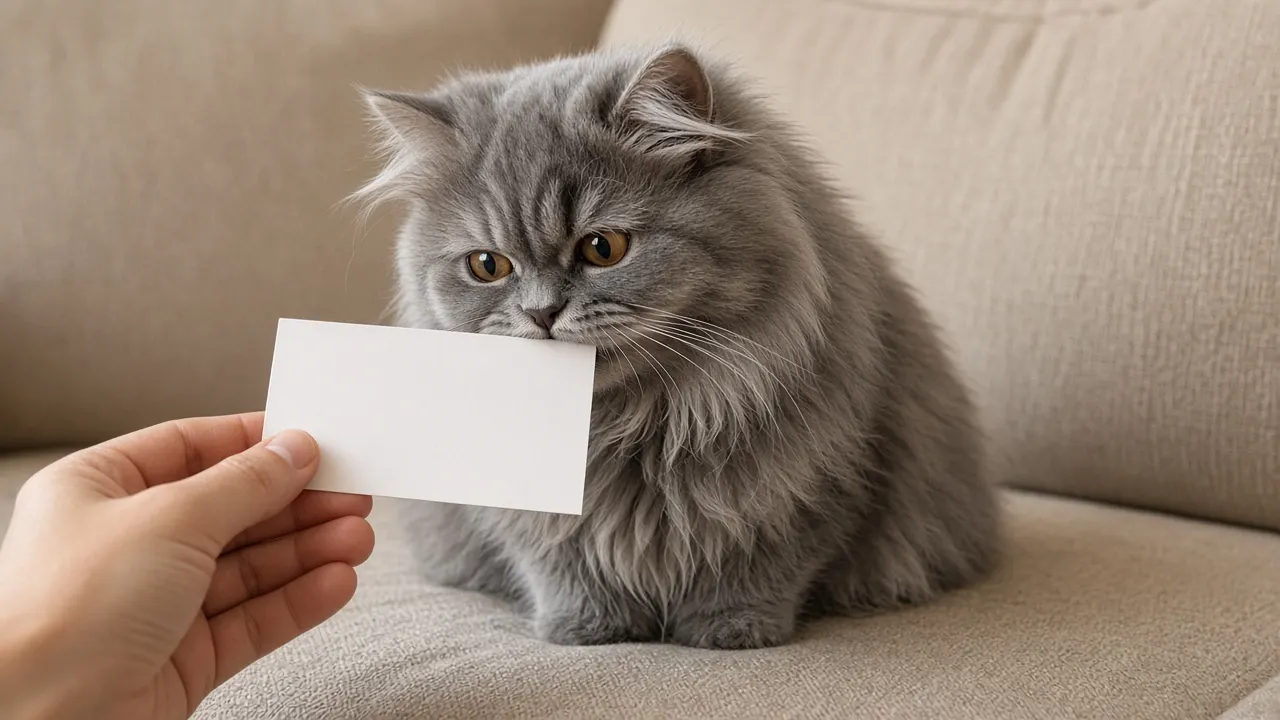
The engraver then turns the print into a clean outline, sends you a proof, and engraves it on the pendant. Many can also add a pinch of ash inside the same piece, so you have both. See the options on our jewelry types page.
While you're there
Collecting fur and whiskers for jewelry at the same time
If you're taking a print, collect a little fur too. Snip a small tuft from a hidden spot, such as the chest or behind the ear, and keep it in a paper envelope. Shed whiskers are worth keeping as well. Fur can be set in resin jewelry, and some memorial diamond labs can use hair as a carbon source.
Ashes can wait. When they do come home, the jewelry ash capacity guide shows how many pieces they'll fill, and a print-plus-ash pendant needs only a pinch of the roughly 3-5% of body weight[5] that cremation returns.
What would you want inside or on your piece?
Tap an answer to vote and see how others answered. Anonymous.
Limits and next steps
What the chooser can't do, and where to go next
The chooser can't promise a usable print: a wriggly puppy or an anxious cat may need several tries or help from a vet nurse. It also can't tell whether an old photo is sharp enough; only an engraver can judge that. If your pet has already been cremated and you have no print, don't worry. A name, a date or a small engraved paw motif can carry the same meaning, and our guide to memorial jewelry without ashes covers photo and fur options too.
Our memorial jewelry guide covers how prints and ash can combine in one piece. If you'd like engraving options and prices, tell us what you have and we'll email back. Our local pages explain whether crematories near you commonly offer prints, and the poll results show how many readers choose a print for their piece.
Free tool
Memorial budget planner
Add up cremation, urn, keepsakes and a farewell so the total holds no surprises.

Reader polls
What would you choose?
Vote anonymously and see how other readers answered. The results are live counts from people who visit this site, so they show real opinions, not a scientific sample.
What would you want inside or on your piece?
Tap an answer to vote and see how others answered. Anonymous.
If you wore something with your pet's ashes, what would it be?
Tap an answer to vote and see how others answered. Anonymous.
What personal touch matters most on a memorial?
Tap an answer to vote and see how others answered. Anonymous.

Free tools to help you plan
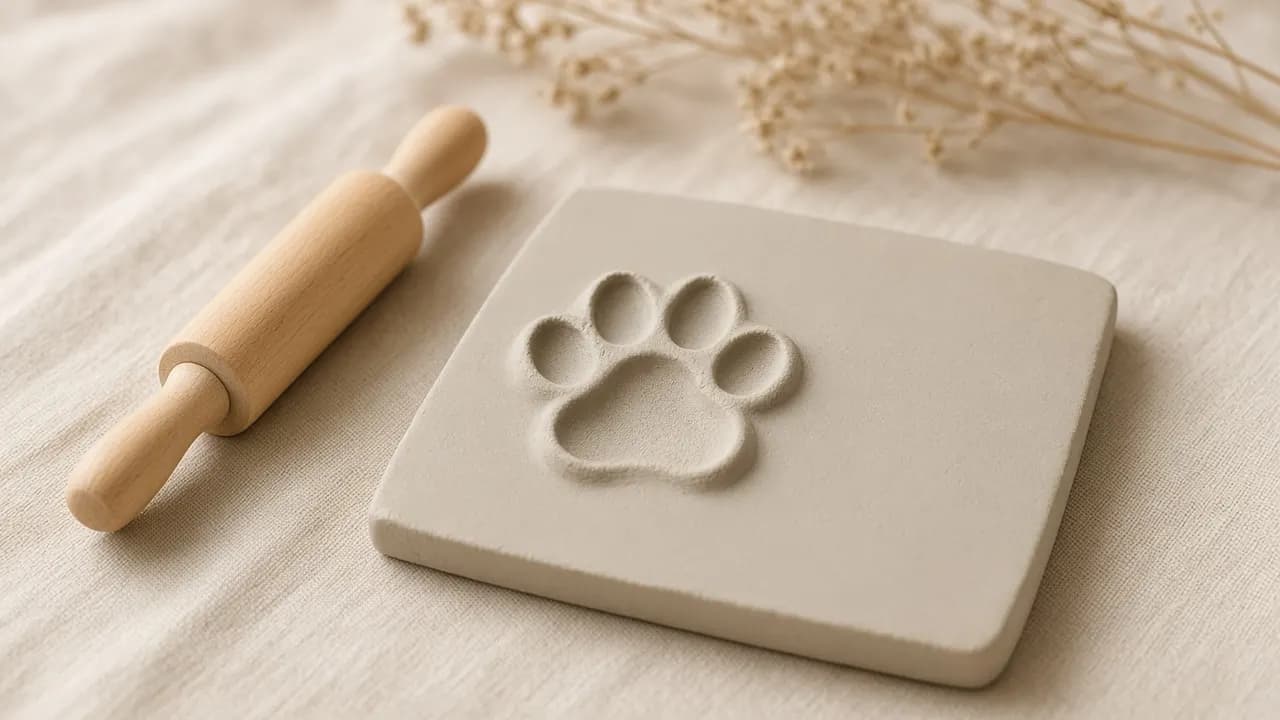
Paw print keepsake chooser
Match a print method to your pet's size, fur and the keepsake you want to keep.
Jewelry ash capacity guide
How much ash fits in pendants, rings and glass, and how many pieces one pet can fill.
Memorial budget planner
Add up cremation, urn, keepsakes and a farewell so the total holds no surprises.
Questions people ask
Can I get a paw print after my pet has been cremated?
Not a new one, but you may still have options. Ask your vet or cremation provider whether they took a clay or ink print. Look through your photos for clear, straight-on shots of paw pads or the nose; engravers can sometimes trace these. If nothing is usable, a stylised paw motif alongside the name is a common alternative.
Which print method is safest for my pet?
Use pet-safe, non-toxic ink or an ink-free wipe system, and wipe paws clean afterwards so nothing is licked off. Air-dry clay is gentle on paws. Avoid anything hot, and keep sessions short for anxious or unwell pets. If your pet is in pain, ask the vet team to take the print during their visit.
Is a nose print really unique?
Yes. The ridges and creases on a dog's or cat's nose form a pattern specific to that animal, much like a fingerprint. That's part of why nose print jewelry feels so personal. Nose prints are fiddlier to take than paw prints, so plan several attempts.
What file do jewelry engravers need?
Usually a clear, high-resolution photo or scan of the print, flat and evenly lit, with black lines on a white background. Keep the original card in case they need a rescan. The engraver will clean up the image and should send you a proof to approve before engraving.


Sources and our estimates
- [1] In the Dog Aging Project, 83.0% of 646 US dog deaths (Dec 2019-Mar 2021) were by euthanasia. Dog Aging Project End of Life Survey - Journal of the American Veterinary Medical Association (2026), via PubMed Central, 2026.
- [2] The most common owner preference (26.1%) was for a deceased pet to stay at the vet hospital less than 24 hours before transport to the crematory or cemetery; a further 18.1% said no more than 1-2 days. Cooney, Kogan, Brooks, Ellis - Pet Owners' Expectations for Pet End-of-Life Support and After-Death Body Care, Topics in Companion Animal Medicine (2020), 2020.
- [3] 75.4% of RSPCA pet-loss survey respondents experienced anticipatory grief before their pet died. RSPCA — Pet Loss Survey Results, 2026.
- [4] Paw-print add-ons at US crematories have a median price of about $32, from $10 to $76. Our estimate: median of [$10 clay (AGP), $15 laser engraving (AGP), $49 ink (Final Gift), $76 clay (Final Gift)]. How we calculate.
- [5] Embrace notes cremated remains typically weigh about 3-5% of the pet's original body weight. Embrace Pet Insurance - Bury or Cremate Your Dog? Costs, Pros & Cons, 2025.
Turn a print into a pendant or ring
Tell us what you need and where you are. We'll reply by email with clear options and prices so you can decide in your own time.